Smart manufacturing
Cradle-to-cradle product design and manufacturing for flexible and resilient manufacturing.
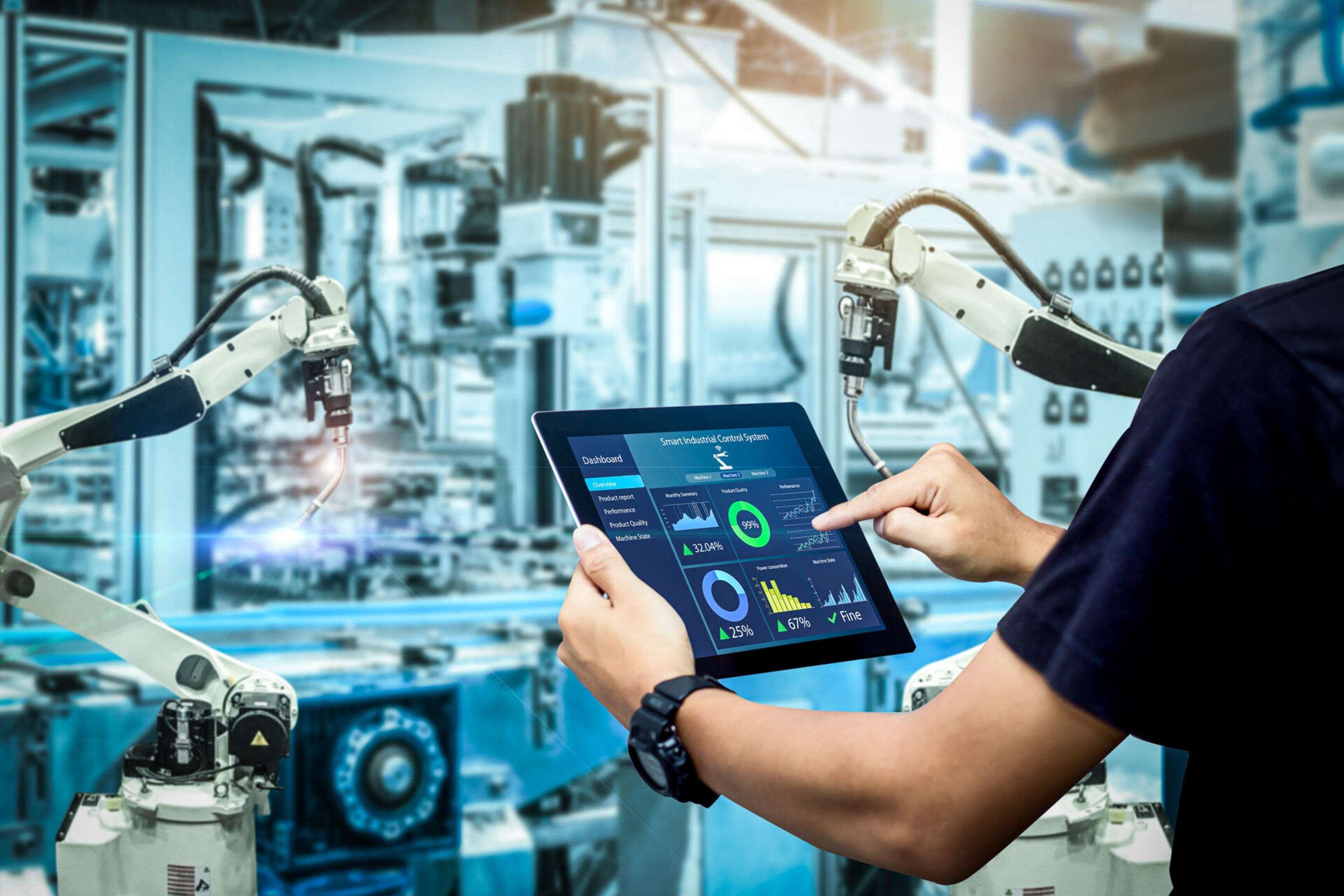
We focus on smart manufacturing: flexible, automated, digitised, high-quality and people-oriented.
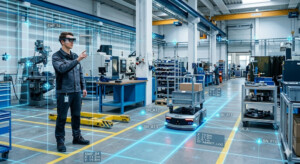
Cognitive and physical operator support
Our working population is ageing, and it is becoming increasingly difficult for companies to attract and retain sufficient qualified talent. That is why it is crucial to support employees both cognitively and physically, so that they can perform at their best.
Our technologies support:
- Personalised training;
- Efficient creation of digital work instructions;
- Promotion of operator well-being;
- Human-robot collaboration;
- Efficient measurement of skills.

Zero-waste production
Production environments often generate a lot of waste, ranging from production process residues to packaging materials. By focusing strongly on improving the quality of their processes, companies can minimise their waste.
Our technologies support:
- Design for manufacturing;
- First-time-right production;
- Quality assurance and control during the production process;
- Efficient, image technology-based quality control.
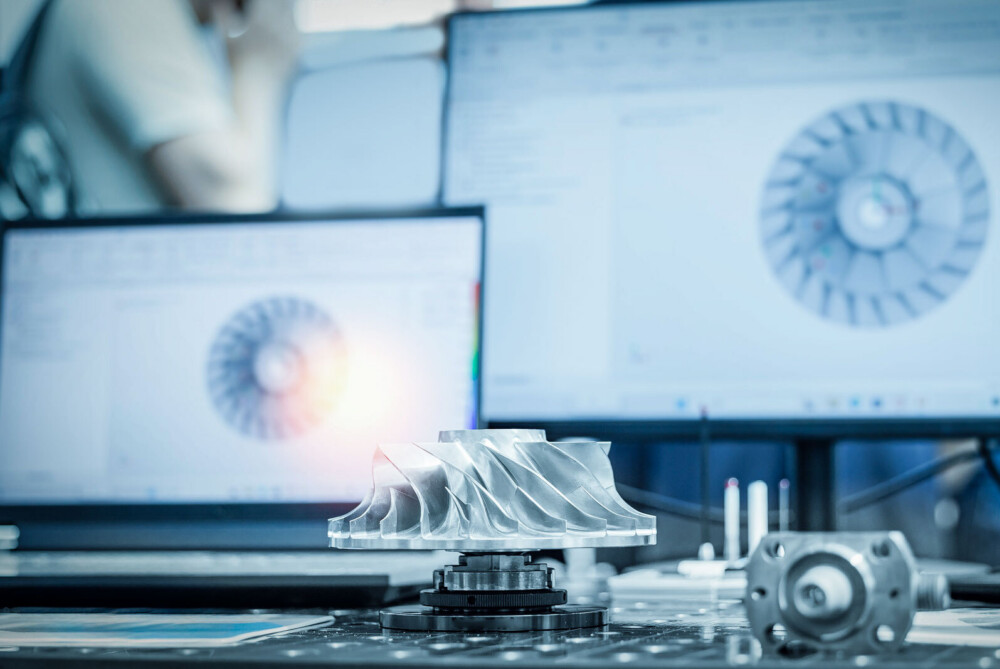
Total Cost of Ownership optimisation
Companies require flexible automation that robotises high-mix production tasks quickly, accurately and affordably.
Our technologies support:
- Automatic robot (re)programming;
- Virtual development to increase robustness to domain variation;
- Flexible part manipulation;
- Flexible automated disassembly.
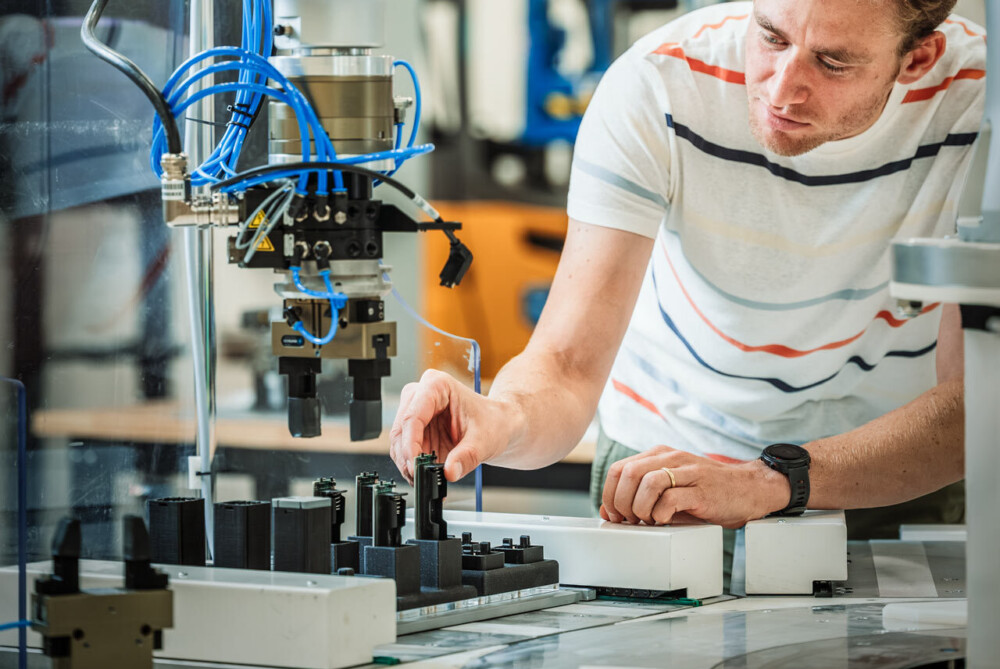
Efficient and resilient production
Companies need a factory-wide reasoning layer that brings together data and models to increase efficiency and resilience.
Our technologies support:
- Optimal Scheduling & Planning
- What-if scenarios & root-cause analysis
- Factory layout & simulation
- Supply chain management


Get in touch with our expert
Sales Manager at Flanders Make
We join forces with


Want to join our community?
As a member of Flanders Make, you gain access to a research team of over 1,000 experts who help shape your innovation journey.
You also receive priority access to the results of our research projects, and you are the first to know what is emerging and which topics will dominate tomorrow’s research agenda.
Our vision and context
The future of manufacturing
Global trends – such as erratic supply chains, growing demand for customisation and the relocation of production to low-wage countries – are radically changing the landscape of the manufacturing industry. At the same time, geopolitical pressure to produce more locally is increasing.
This is leading to two parallel movements: the rise of distributed micro-factories that offer agility and local responsiveness, and the growth of mega-factories that maximise economies of scale.
To remain competitive and local, factories must be able to respond rapidly to both predictable and unexpected changes. From new product introductions and rush orders to scaling up and down and disruptions in the supply chain. At the same time, they must be resilient to global challenges such as fluctuating raw material prices, material shortages and an ageing workforce.
The key to this transformation lies in production systems that are flexible, automated, digitised, high-quality, sustainable and people-oriented.
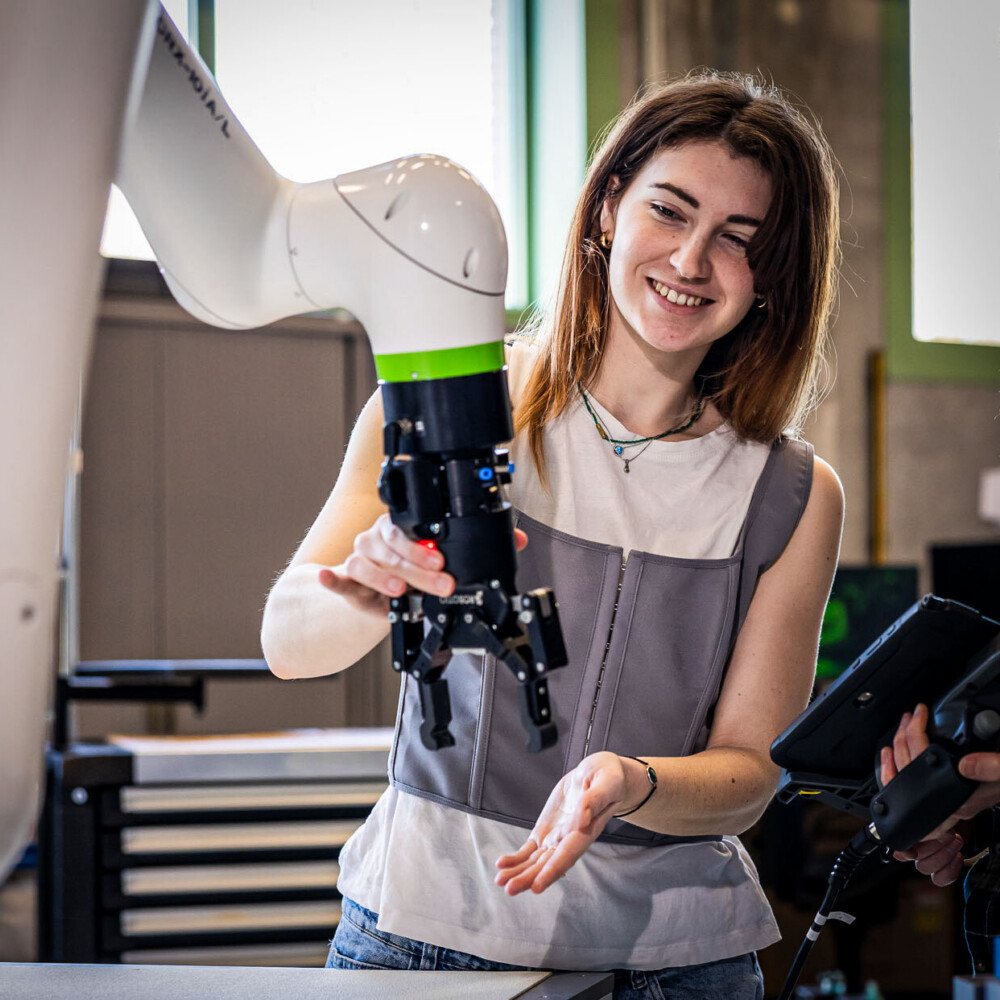
Cradle to cradle product design & manufacturing
- Engineering – Designing products for flexible manufacturing and demanufacturing.
- Suppliers – Creating supply chains that are resilient to both expected and unexpected changes.
- Manufacturing – Developing processes that are flexible, automated, digitised, high-quality, and human-centric.
- ReX – Enabling optimal product lifecycle management with flexible and automated de-/remanufacturing.

Manufacturing in detail



Smart technologies for smart manufacturing

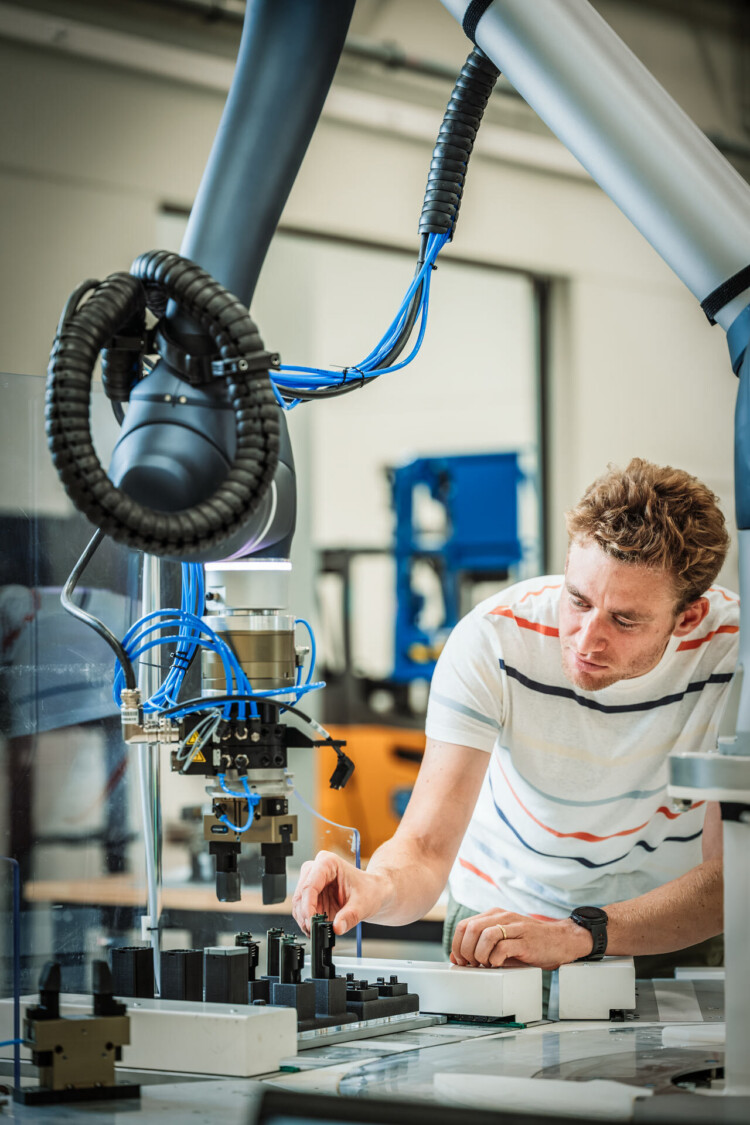
Employee 5.0 Systems
Boosting well-being & productivity.

Robotics, sensors and actuators
Improving the core components of robotics and smart machines.

Manufacturing, Mechanical Components and Systems
Optimising mechanical components and systems, their performance, sustainability and manufacturing process.
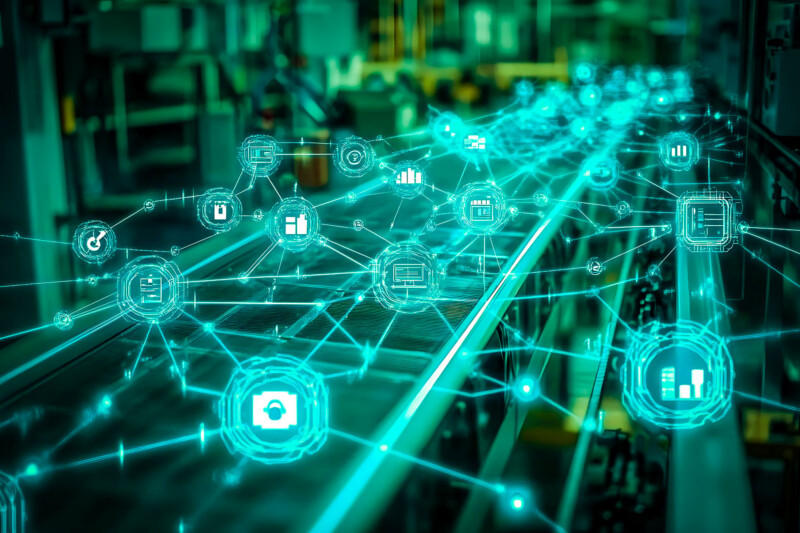
System-of-Systems Technologies
For a seamless interaction, coordination, and efficiency across complex industrial environments.

Business, Sustainability & Operations Management
Optimising the operations, sustainability, and value-creation of businesses.
Unique testing infrastructure

Additive manufacturing
Open and modular additive manufacturing platforms for research into the 3D production process.
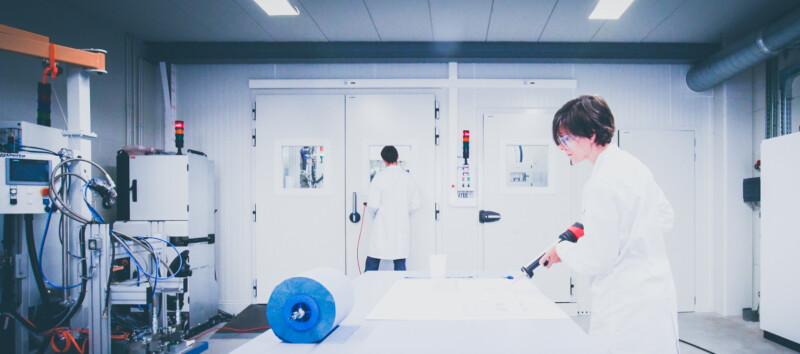
Testing of mechanical connections and joining techniques.
For lighter, stronger products through optimised and automated joining processes.
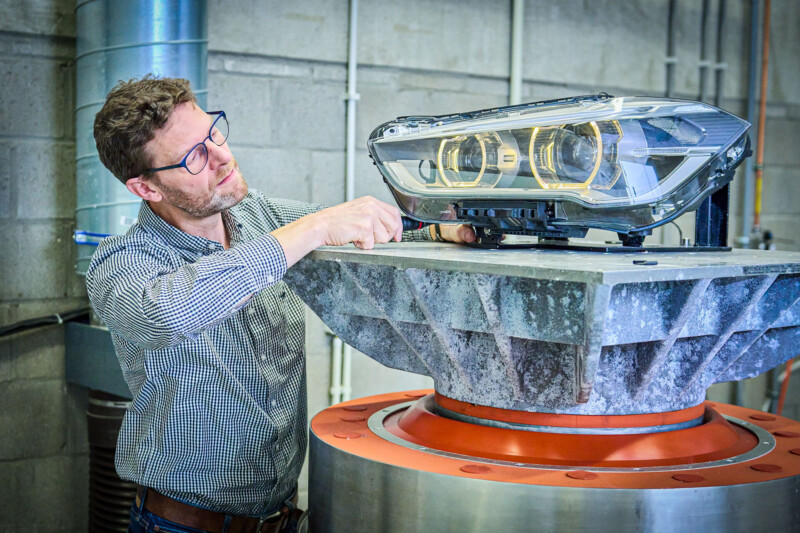
Testing electr(on)ic components
For mechanical and thermal tests of electr(on)ic components.

Testing physical and physiological stress
For mechanical and thermal tests of electr(on)ic components.

Testing of polymers
Lab for product and raw material testing and polymer material identification.

Manufacturing metrology lab
To ensure product quality and precision through advanced 3D measurement, surface analysis, and dimensional verification.

Testing of fatigue, failures and damage mechanics of components
For maximum durability, safety, and performance through advanced fatigue, fracture, and vibration analysis.

Development and prototyping of photonic components
State-of-the-art pilot line for freeform optics.

Digital model-based factory design and control processes
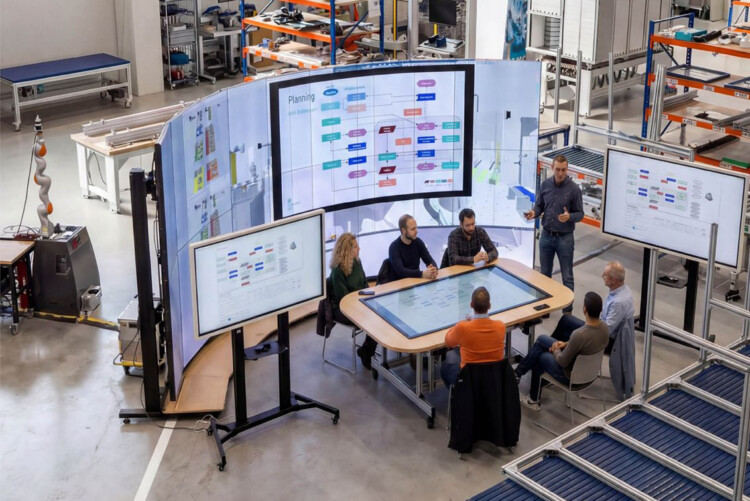
Digital Twin control room for digital models of factory designs and control processes.