Autonomy of mobile equipment
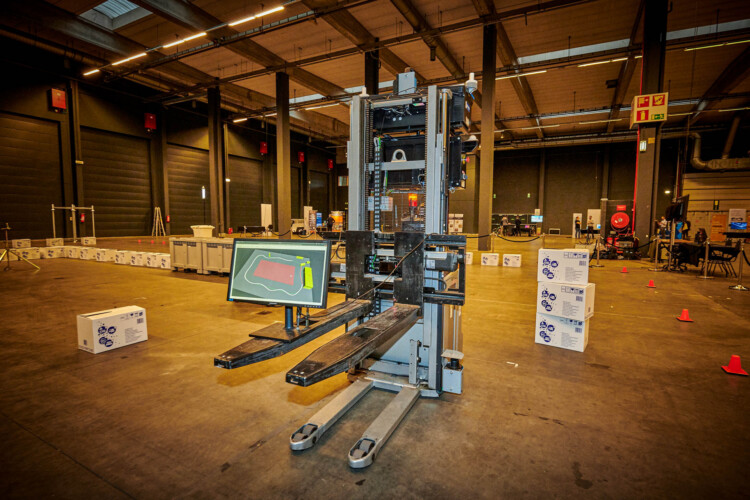
Staff shortages, rising energy costs and fast-growing AI make autonomy the way to keep mobile operations running and affordable, as long as it is safe and works in the real world.
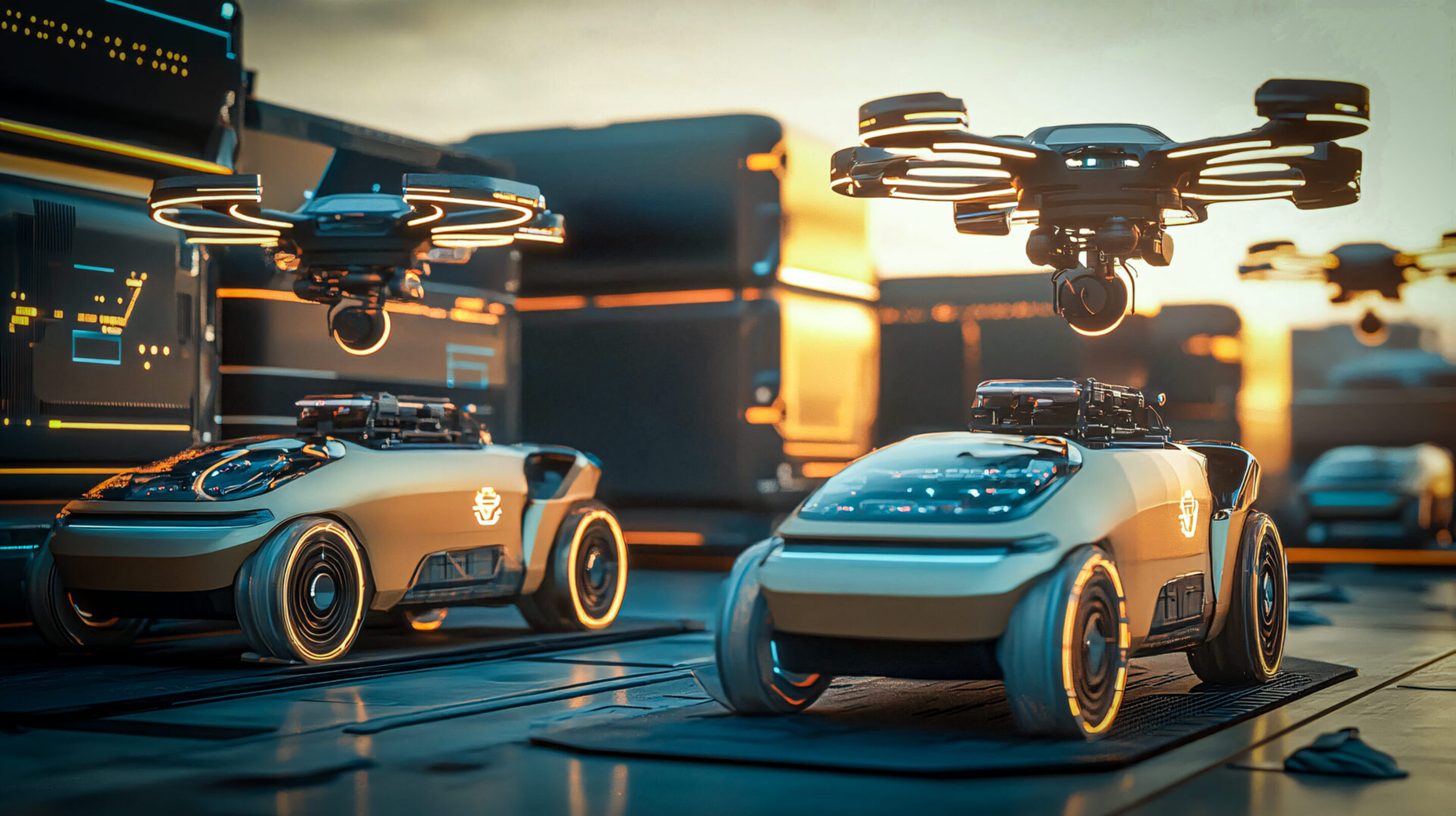
Our goal? To build autonomous mobile machines that work safely, reliably and together in the real world, not just in the lab.
Autonomy that is safe and certifiable
Before autonomous machines can be deployed, companies must prove they are safe to regulators, insurers and the people working around them. That requires validated safety, explainable AI and clear liability.
Machines must behave predictably, explain their situation and planned actions, recognise their own limits and detect anomalies. When components fail, they must keep operating or stop safely.

Mastering the real world
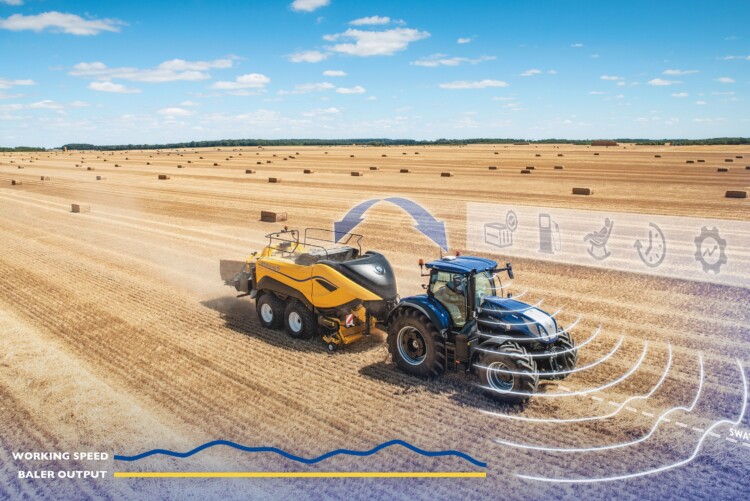
Fields, jobsites, plants and ports are unstructured and constantly changing: mud, dust, rain, partly covered objects and no reliable GPS signal.
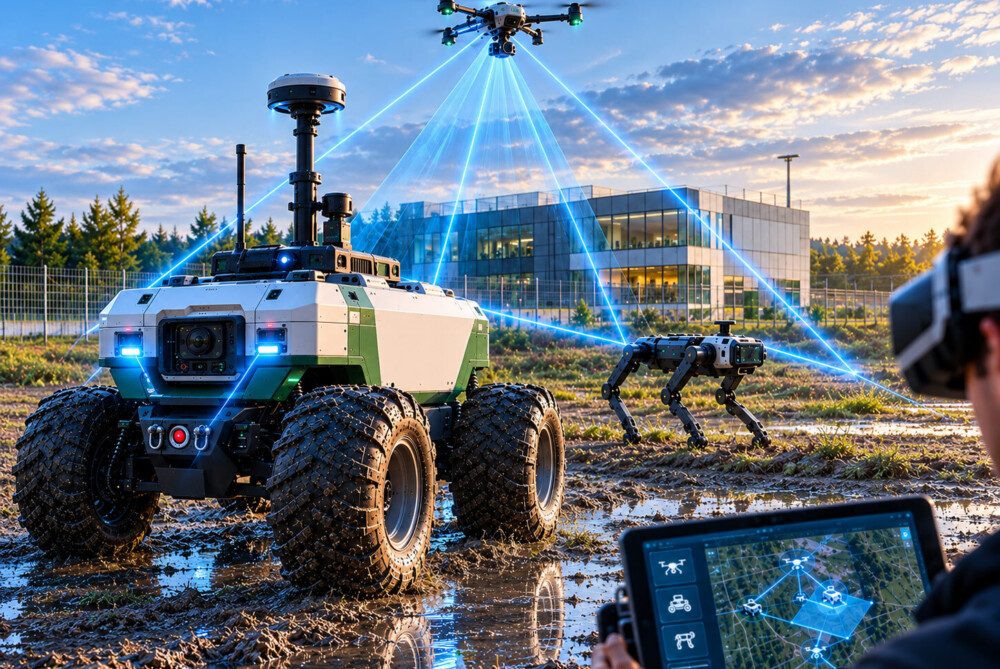
Autonomous machines must perceive their surroundings by combining data from multiple sensors, understand what they see and plan their path in real time, in exactly the conditions where today’s systems still struggle.
Machines that work as one fleet
Real jobs involve different machines, often from different brands, working together. They must share data, communicate in a way people can supervise, and collaborate, negotiate and plan among themselves, including splitting work between main machines and smaller supporting assets.
As coordination complexity grows exponentially with fleet size, new methods are needed to manage and test autonomy at fleet scale.


Need more information?
Sales Manager
Related testing infrastructure

Testing physical and physiological stress
For testing ergonomics in the workplace.

Autonomous vehicles for sensor testing
For testing of sensors and algorithms used in autonomous vehicles.