Technology tailored to the social enterprise sector
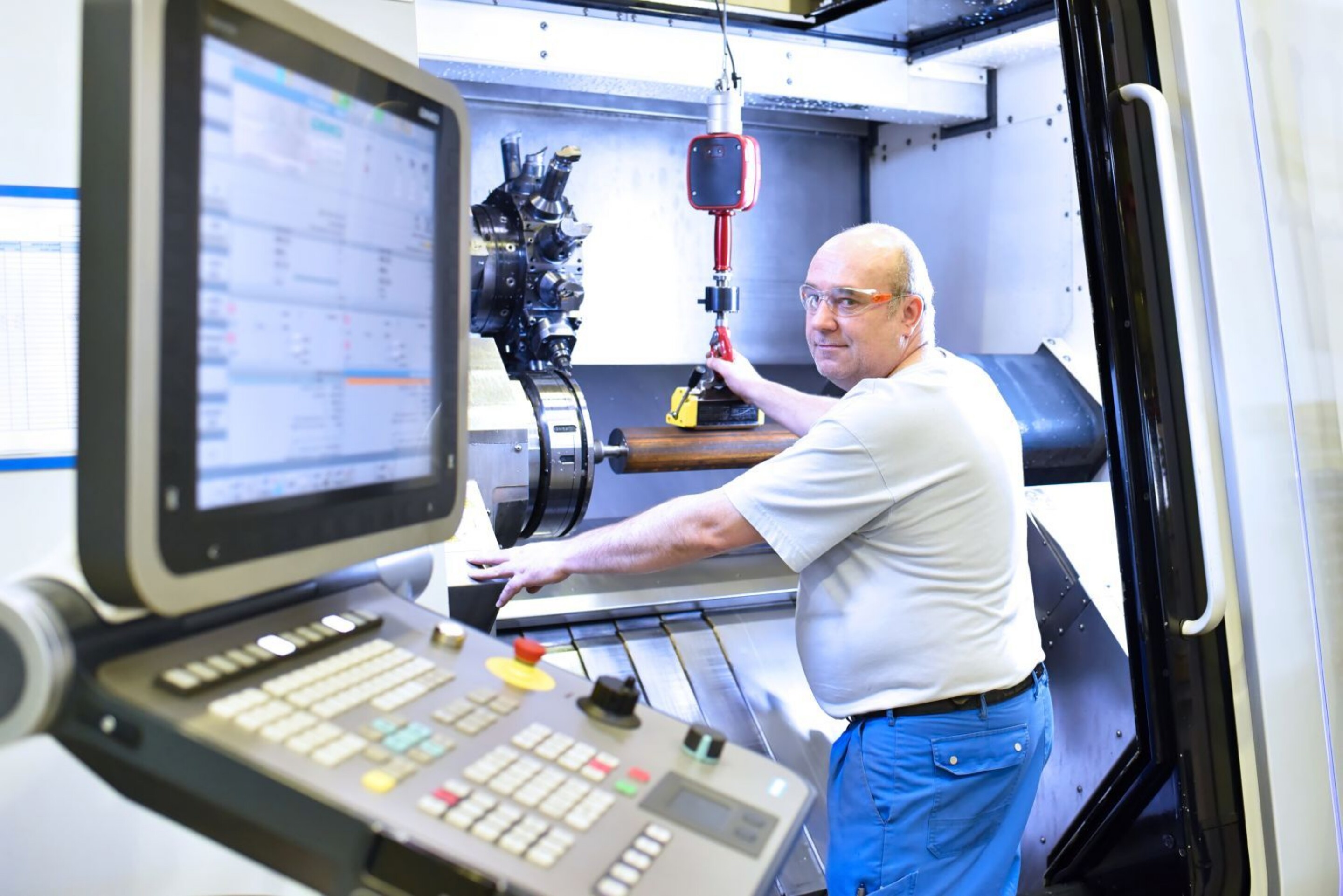
From digital work instructions to collaborative robots: technology that supports employees in social enterprises, strengthens their skills and makes your production more flexible.
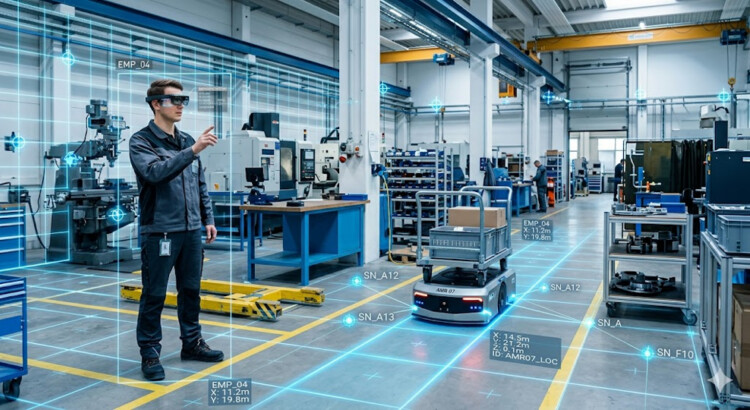
The factory of the future isn’t just about smarter machines. Above all, it’s about people who are better equipped for their work thanks to technology. Supporting employees as well as possible is in the DNA of the social enterprise sector. New technology can help: it raises quality and flexibility, but above all it strengthens human skills.
On October 6, together with Groep Maatwerk, we organised a transnational event for social economy professionals from across Europe. They discovered innovations that keep the employee at the centre.
The strength of technology and people
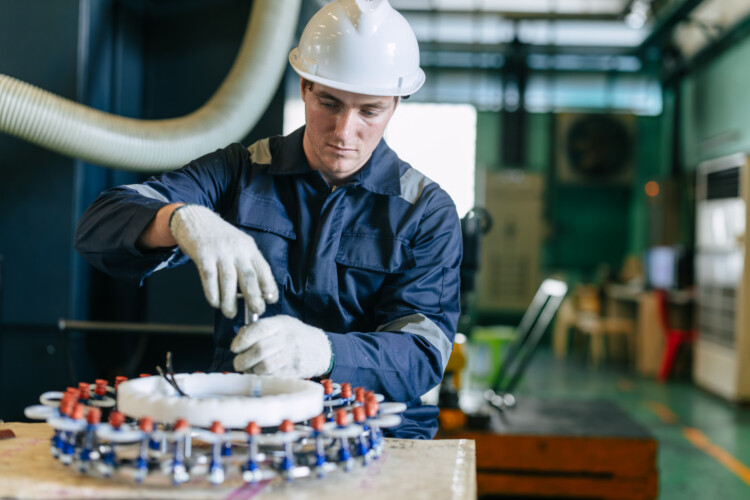
We selected innovations that combine the strengths of people and technology. People are flexible, solve problems and respond to the unexpected. Robots take over heavy, repetitive or hazardous tasks. Digital tools guide employees step by step, help prevent errors and provide information at the moment they need it.
A selection of what we offer:
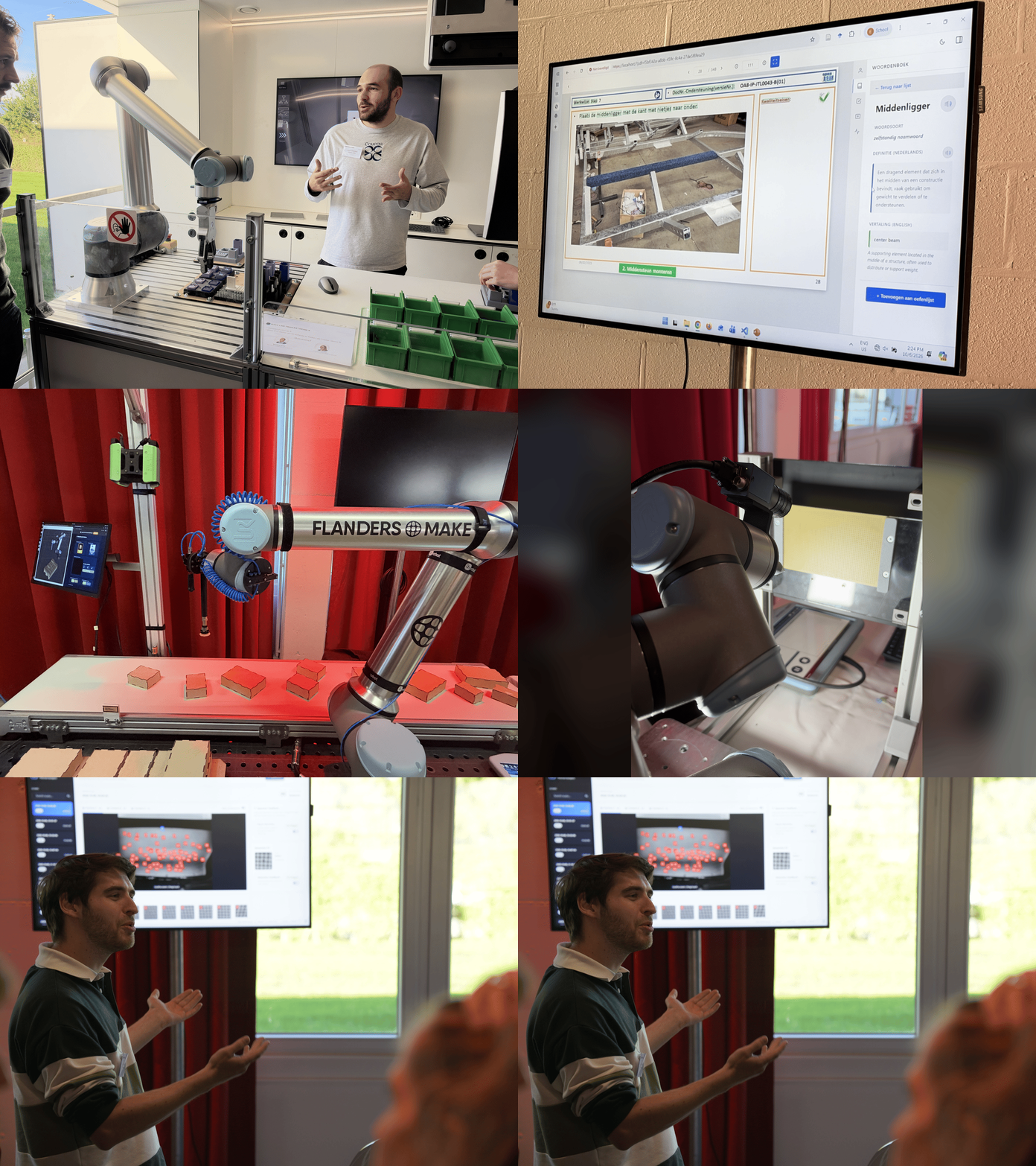
- Digital work instructions guide employees through complex tasks with images, videos and step-by-step instructions. You can tailor this support to the experience and skills of each employee. That way, new staff get up to speed faster and can work more independently.
- Ergonomic support maps the physical strain on the shop floor. Combined with adapted tools and automation, it helps you find out how to better match workstations to your employees’ abilities.
- Smart cameras and vision technology help with quality control, product recognition and counting parts. They detect or prevent errors without taking the operator out of the process.
- Collaborative robots and automation support specific tasks, such as moving products or physically demanding work. People stay in control.
- Digital tools for language support and skills management make instructions more accessible, map skills and help you deploy or train employees in a more targeted way.
All these applications start from the same principle: technology has to work for the people who use it. A new employee benefits from detailed instructions, while an experienced colleague works faster and more independently. That’s why we focus on digital support that adapts to each employee’s skills and needs.
The challenge: introducing technology successfully
Our conversations with the international participants showed that there is strong interest in smart technology. Demonstrations such as the digital work instructions gave concrete inspiration for applications that social enterprises want to start working with themselves.
At the same time, some very practical questions came up. How do you motivate employees to work with new technology? How do you take away uncertainty or resistance? And how do you make sure a solution keeps working well in the long term?
After all, buying a robot is one thing. Integrating it efficiently into an existing production environment is quite another. For that, you need not only the right technology, but also guidance with implementation, training and support in day-to-day use.
That’s why we prefer to involve employees and their supervisors in developing new applications right from the start. By taking their needs and experiences into account, we design technology that matches the reality on the shop floor. That’s also how we approached it at the social enterprise Mariasteen.
Smart planning at Mariasteen
Together with technology partner 24Flow, Mariasteen introduced an AI-assisted planning system. It takes into account both production requirements and the skills and capacity of employees.
In a social enterprise, good production planning is more than assigning available people to machines. Employees differ in skills, level of training and support needs, and production priorities change constantly.
At Mariasteen, digital planning helps deploy employees more flexibly and better align production with available capacity. The system supports planners in complex decisions, but their expertise remains essential for making the right trade-offs.
The result: a clearer overview of production, less time spent on replanning and more room to support employees and processes.
Inclusive technology as an asset
The international exchange confirmed how strongly the Flemish social enterprise sector is committed to inclusive employment. It also showed that social enterprises across Europe are looking for ways to better align technology with their employees’ abilities.
These insights are also relevant to the wider manufacturing industry. Production processes are becoming more complex, available skills are changing and companies need to respond ever more flexibly to new challenges. Human-centred technology plays an important role here. By giving employees the right support at the right moment, you bring quality, productivity and inclusion together.
Would you like to know what human-centred technology can do for your company? Get in touch with us.
UpskillOpMaat: lowering the threshold to digitalisation
The event on 6 October was made possible by the UpskillOpMaat project, which aims to speed up the introduction of Industry 4.0 technology in Flemish social enterprises. The project focuses on three challenges: ensuring product quality, upskilling employees and encouraging digitalisation. The aim is not only to make technology more accessible, but also to enable social enterprises to work with it sustainably and independently.

Inclusive technology solutions?
Sales Manager