A more efficient path from product design to injection moulding
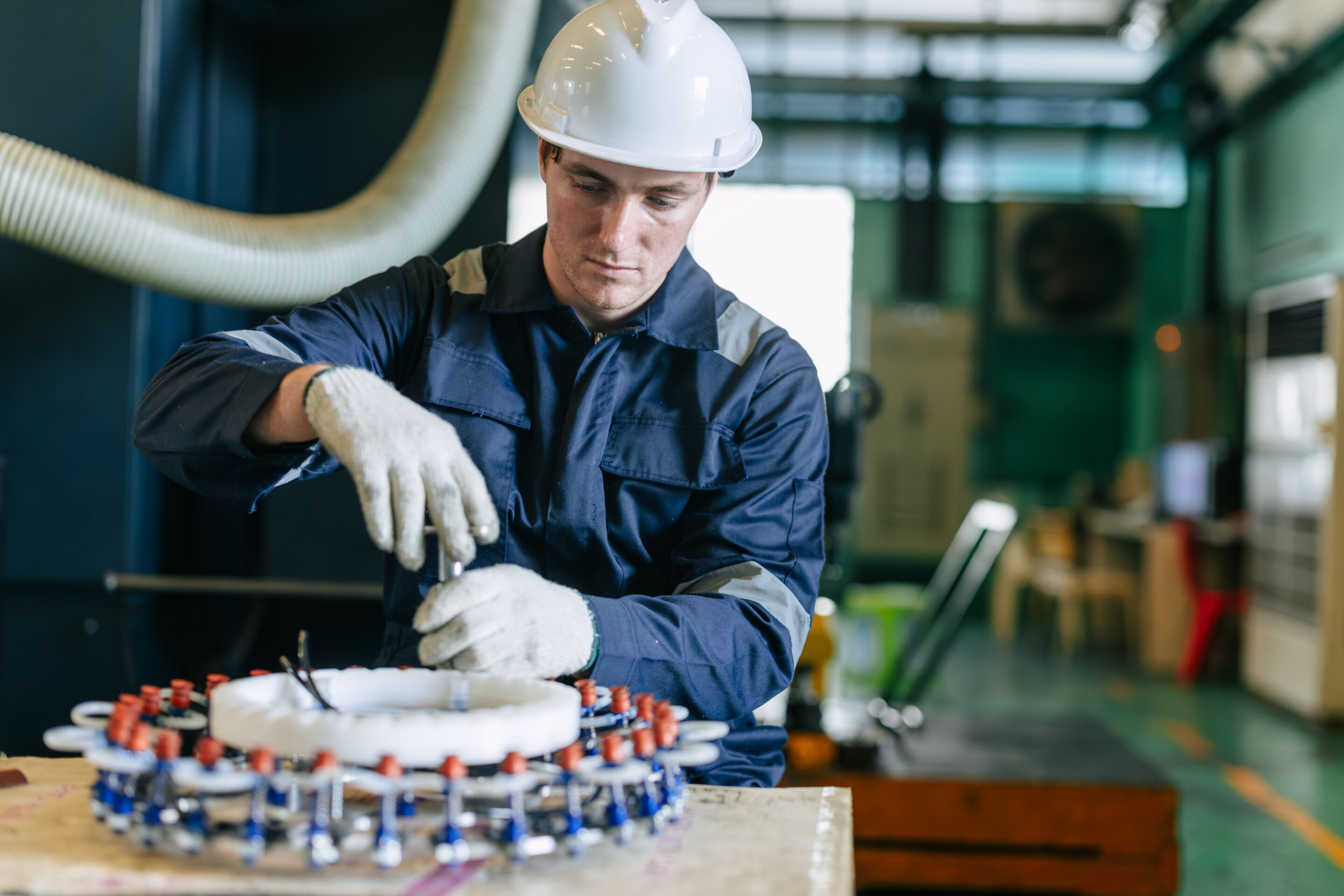
A good product design for injection moulding involves more than what happens on a CAD screen. Alongside form and functionality, operating conditions, production requirements and specific material properties all play an important role. Designers and injection moulders approach these aspects from their own areas of expertise, but they do not always have access to the same information or tools. This can result in considerable back-and-forth: a design may need to be adapted because it is difficult to manufacture, or a selected material may prove less suitable for the application or production process.
That is why we are developing an online platform that brings relevant information and checks together. Designers can use it to select suitable materials and evaluate the manufacturability of their design. Injection moulders can then review and add to these choices on the same platform. This gives both parties earlier insight into potential issues, reduces the number of iterations and makes the journey from product design to production more efficient.
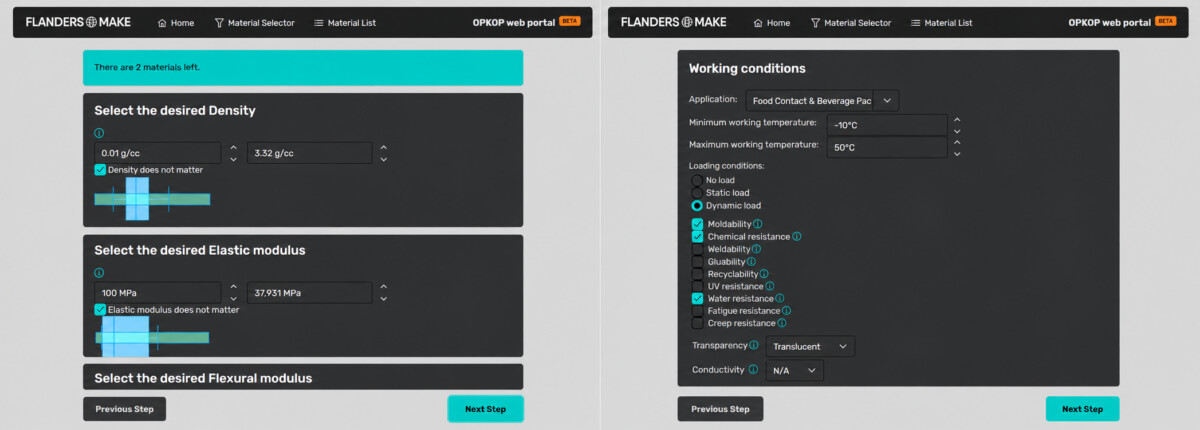
Step 1: Which material is right for the application?
Choosing a suitable material starts with one question: how will the product be used? Take a lunch box that also needs to be suitable for use in a freezer. Its material must not only be suitable for food contact, but also able to withstand low temperatures.
The platform therefore allows designers to specify relevant operating conditions and requirements first. These can include temperature, moisture, mechanical loads, chemical resistance, water resistance or food contact.
Based on these requirements, the tool helps identify suitable materials. This also makes it easier to consider alternatives rather than automatically opting for a material the company has used many times before.
Step 2: Is the design manufacturable?
A suitable material is only one part of the puzzle. The design itself must also be suitable for injection moulding.
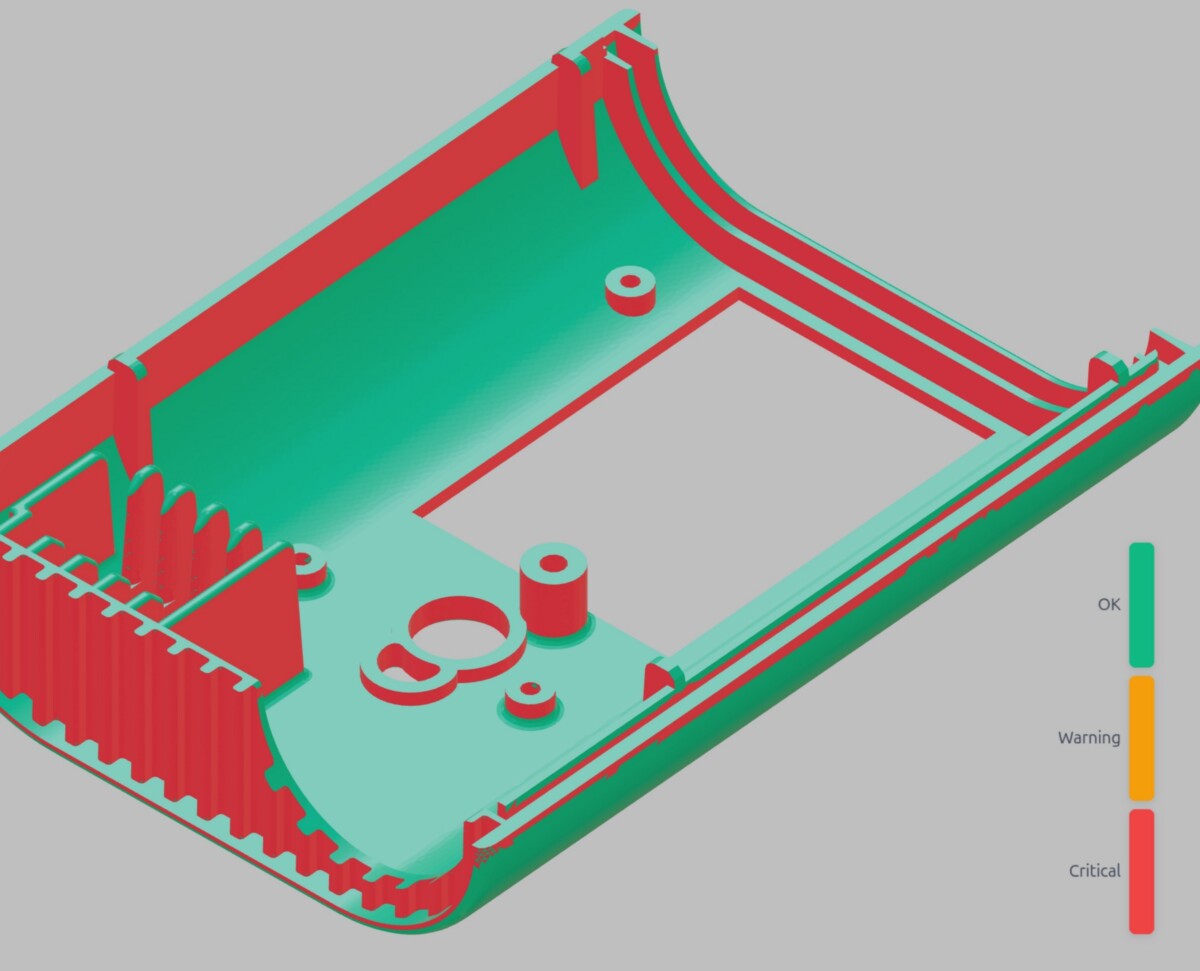
Based on the CAD file, a manufacturability check can highlight potential issues in the design. This gives designers feedback early in the process, allowing them to address certain issues before sending the design to the injection moulder.
The injection moulder can then review and further assess both the design and material selection on the same platform. The tool does not make decisions on behalf of either the designer or the injection moulder. Instead, it brings relevant information together and supports both parties in making informed decisions.
Step 3: Bringing relevant cost factors into view earlier
Choices concerning materials and design also affect production costs. The platform therefore identifies factors that are relevant when calculating costs.
At present, the platform does not generate a ready-to-use quotation. In the longer term, we are investigating how a personalised version could further support injection moulders in preparing quotations.
In this way, the same environment can connect different steps in the process: from material selection and manufacturability to the information needed to better estimate production costs.
A platform ready for practical use
Our new platform was developed in close collaboration with the plastics industry. It brings together the expertise of designers, injection moulders, software developers and research centre Centexbel. It combines knowledge of materials, design and production in one environment, with automated checks and digital support for the development process. The aim is to facilitate more efficient collaboration and identify relevant bottlenecks earlier in the development process.
Want to try it yourself? The platform is currently available as a demo version. We will demonstrate it at the Kunststoffenbeurs on 16 and 17 September 2026 – free registration.
Can't make it to the trade fair but still interested in the tool? Contact us.