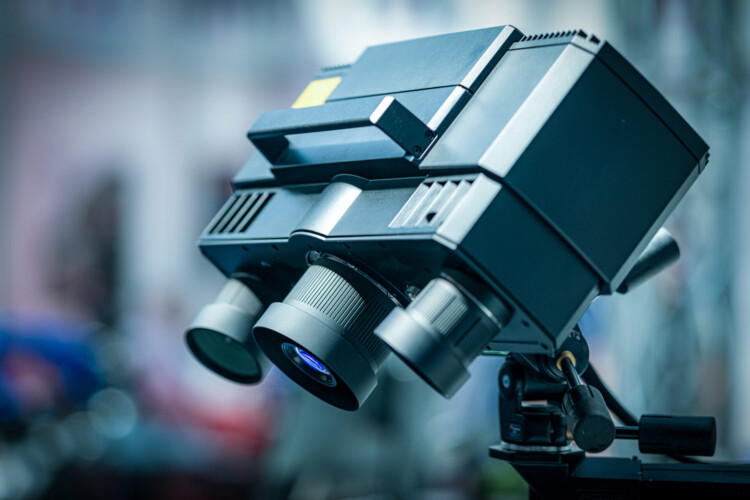
Human-Centric Orchestration
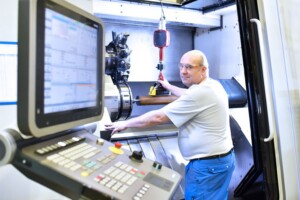
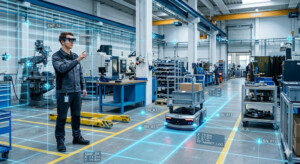
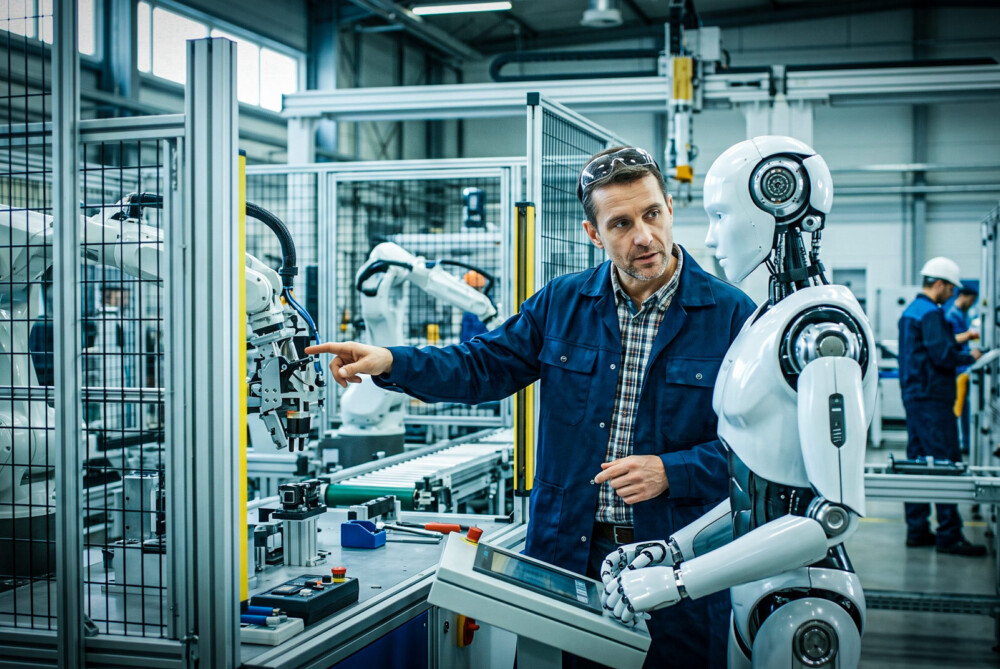
More autonomous systems, fewer available workers: today’s operators become tomorrow’s system controllers, overseeing complex fleets without extra diplomas.
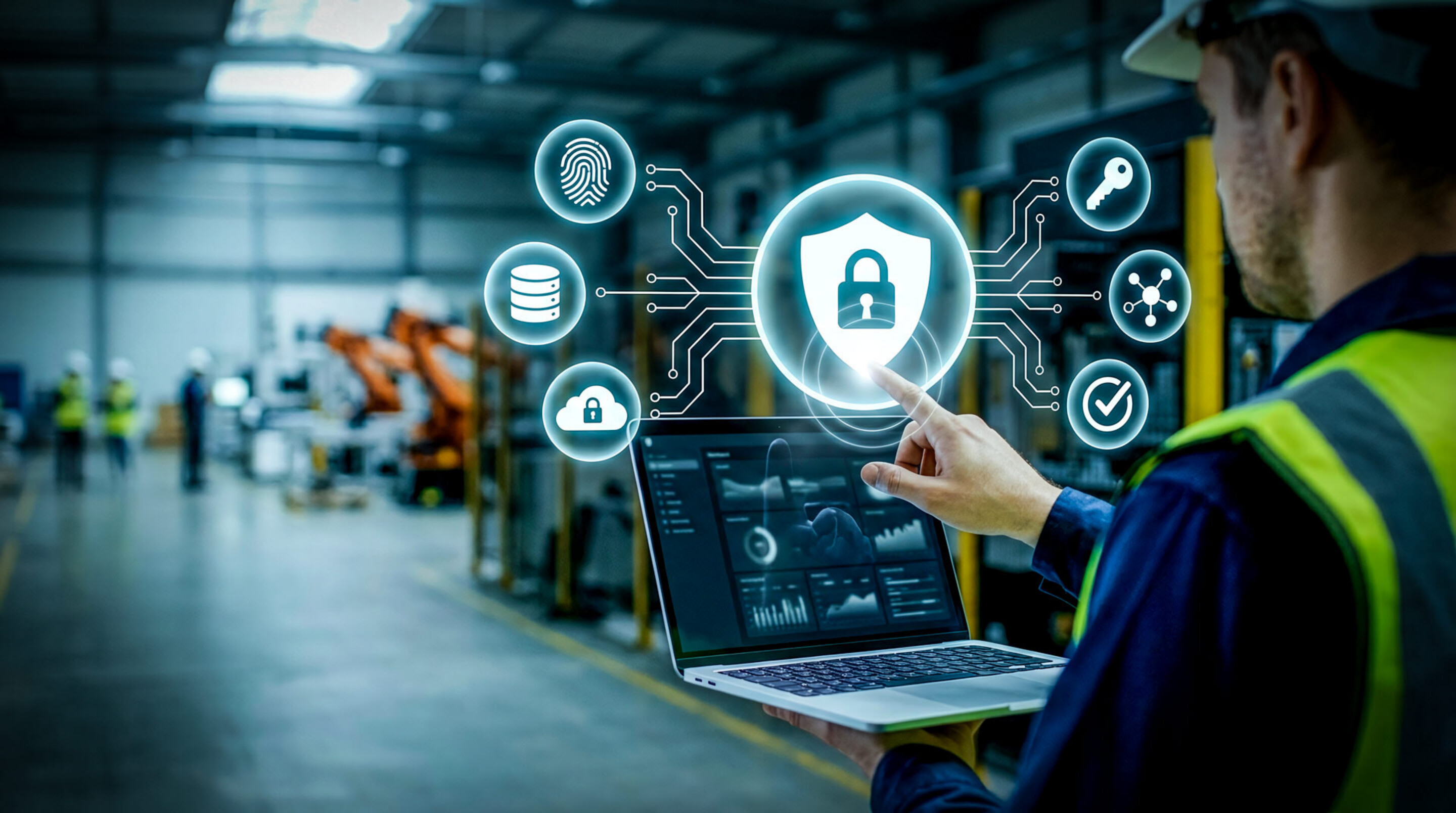
Our goal? To enable practically trained operators to supervise, operate and control large fleets of autonomous systems, without them needing higher qualifications.
Operator tailored system interfaces
Tools sized to the humans who work with them unlock the true power of automation and autonomy in your company.
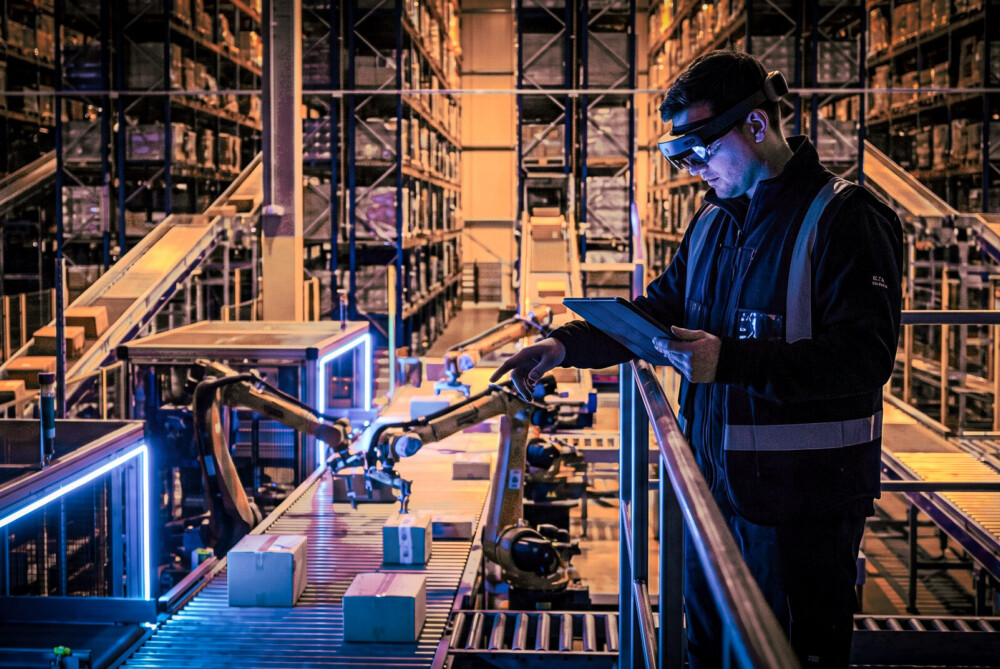
Autonomy you can trust
Operators can only take responsibility for systems they understand.
Autonomous systems must behave predictably, explain their situation and planned actions, and indicate their own limits.
This turns black-box automation into something people can confidently supervise and correct.
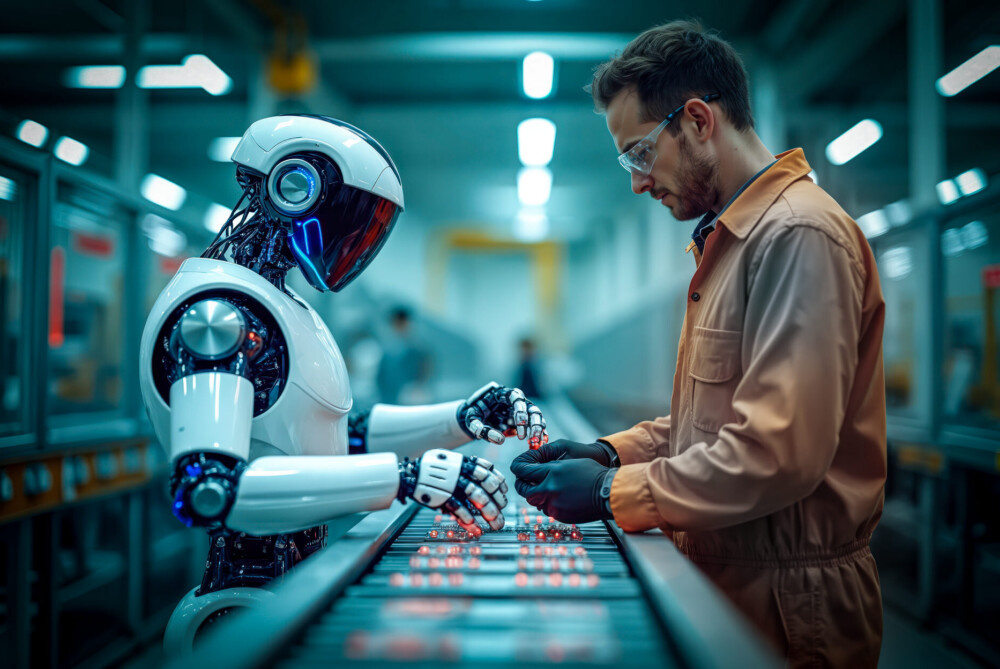
Fleets that work for the operator
Getting more work done with fewer people by scaling through autonomy requires that an operator can manage ever larger and more complex fleets.
Fleets must take over the technical complexity: the operator describes a task in their own words, as they would to a colleague, without structured commands or engineering terms. The systems then work out the details themselves through reasoning, collaboration, negotiation and planning. The fleet proposes actions, flags anomalies and asks for a decision when needed, keeping the human in control.

Need more information?
Sr. Sales Manager
Related sectors