Improve weld fatigue assessment with 3D scanning
Join D-VT4FAT_SBO and explore how digital visual testing and advanced fatigue modelling can help you assess the actual strength of welded joints, reduce unnecessary rework and make more reliable decisions about structural integrity.
Challenge
Welded joints are critical to the reliability and lifetime of industrial structures. However, assessing their fatigue strength remains challenging because manufactured welds often differ from their original design. Small variations in weld geometry can significantly influence where fatigue cracks develop and how long a component will last.
Today, fatigue assessments typically rely on idealised CAD models, generic fatigue classifications and conservative safety factors rather than the actual geometry of the weld. This can lead to unnecessary overdesign, additional material consumption and costly repairs of welds that may still be suitable for their intended loads.
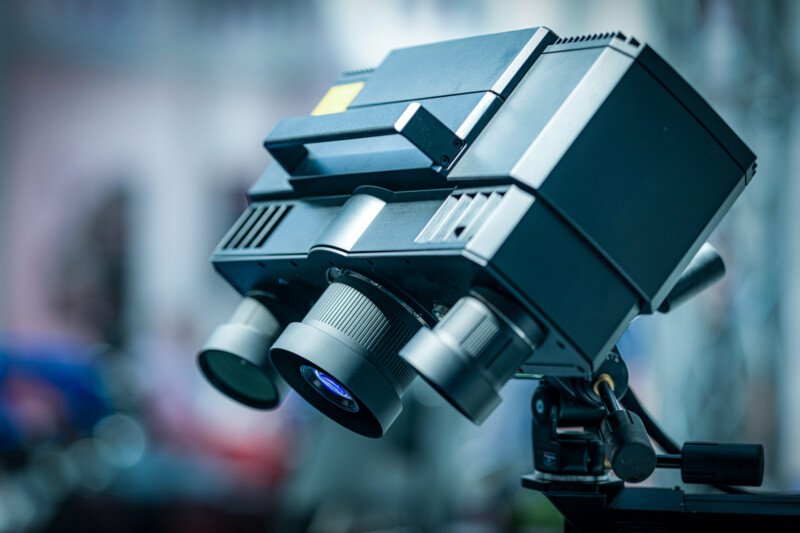
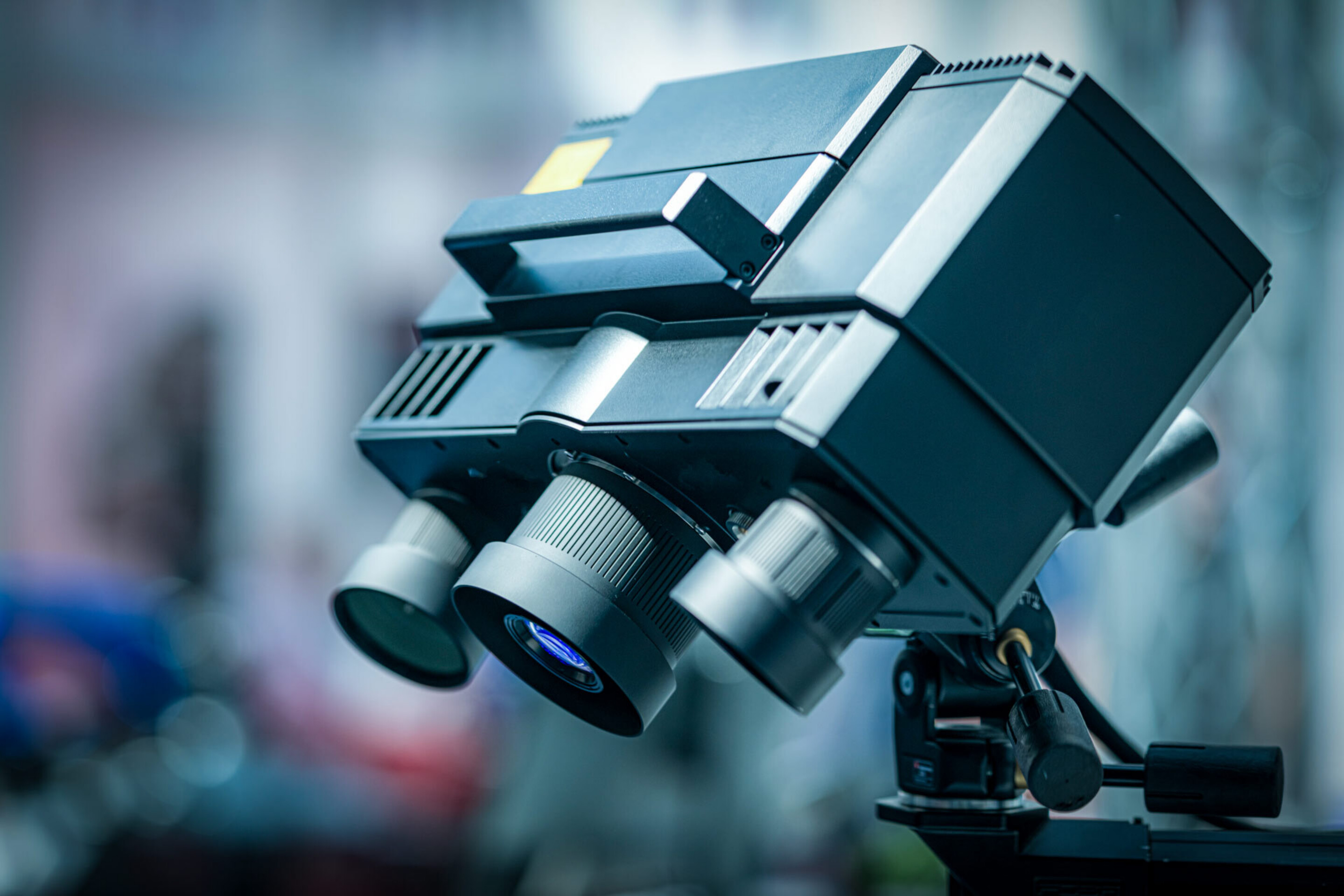
Although 3D scanning technologies can now capture weld geometries in great detail, the resulting data is mainly used for dimensional inspection. There is currently no widely accepted, validated method to translate measured weld geometry into reliable fatigue strength predictions. Differences in scanning, geometric reconstruction and numerical modelling can also lead to significant variations in the predicted lifetime.
Project Goals
In this project (D-VT4FAT_SBO), we aim to develop a validated methodology that translates 3D scans of welded joints into reliable fatigue strength predictions, enabling manufacturers to assess weld quality based on actual mechanical performance rather than geometric criteria alone.
The project will investigate and compare two approaches: one that directly uses scanned surface meshes and another that reconstructs the weld geometry into a CAD-based model. By combining these approaches with advanced fatigue assessment methods and experimental validation, the project will determine which method is most suitable for different welded components and applications.
The research will also establish scanning requirements, quantify prediction uncertainties and develop practical guidelines for selecting the appropriate assessment method.
D-VT4FAT targets fatigue life predictions within a factor of 2 of measured results for at least 90% of laboratory specimens, improved reproducibility and validation on at least three industrial components across three sectors.
By linking digital weld inspection to actual fatigue performance, D-VT4FAT aims to help manufacturers reduce unnecessary repairs and overdesign, improve lifetime assessments and support more reliable, performance-based weld acceptance decisions.
Join our research
We are looking for companies that want to participate in our research and work with us on the valorisation of the project.
Interested?
Then complete the form below.