XR in healthcare
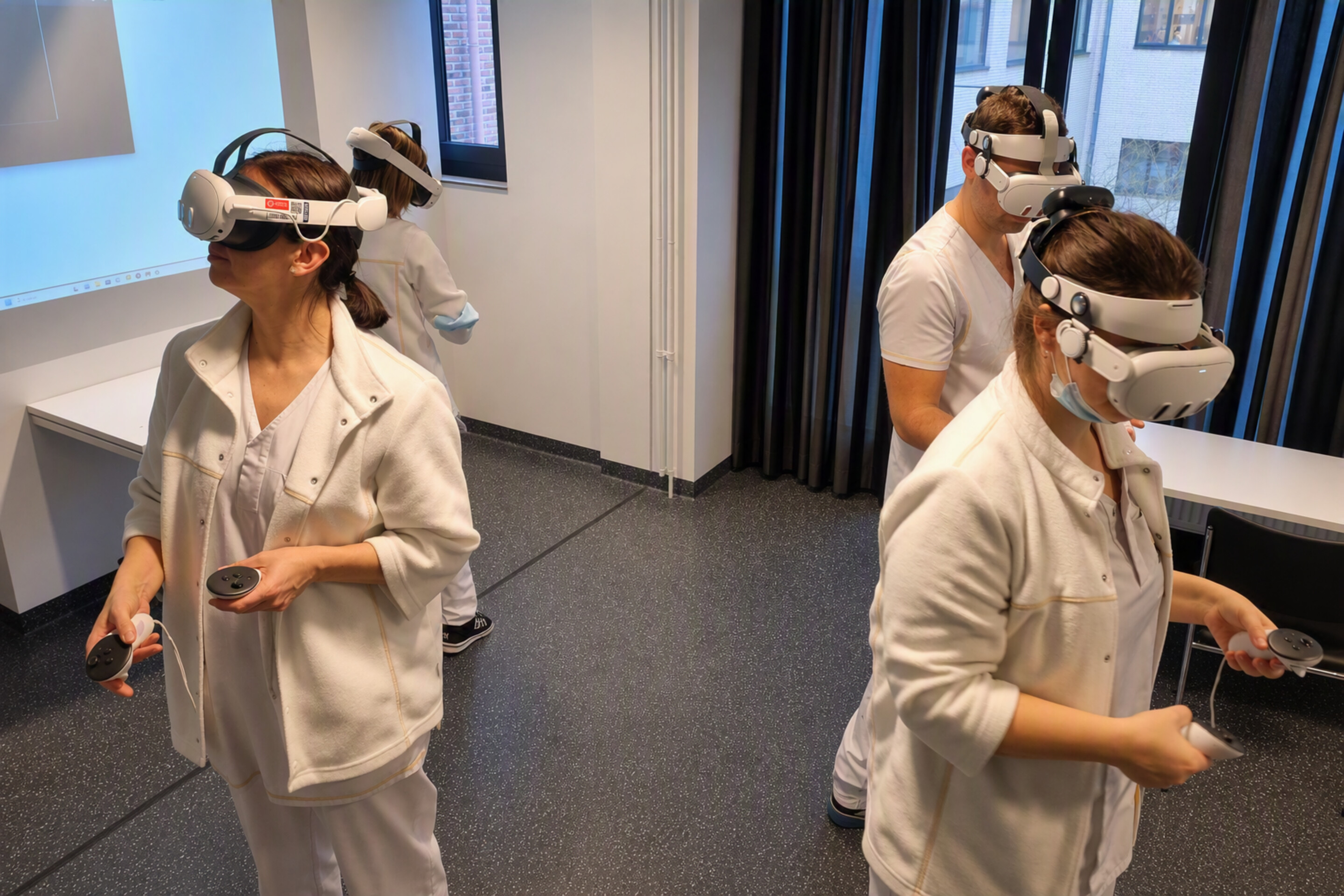
The healthcare sector is facing significant challenges. The demand for care continues to grow, while recruiting, training and retaining qualified staff is becoming increasingly difficult. This calls for innovative ways to train healthcare professionals efficiently and in a practice-oriented manner.
Extended Reality (XR) offers new opportunities. It enables healthcare professionals to practise procedures and clinical skills in a safe, realistic environment, without putting patients at risk. They can learn at their own pace, based on their individual learning objectives and work schedules. In this way, XR supports lifelong learning and helps healthcare organisations keep knowledge and skills up to date.
What is XR?
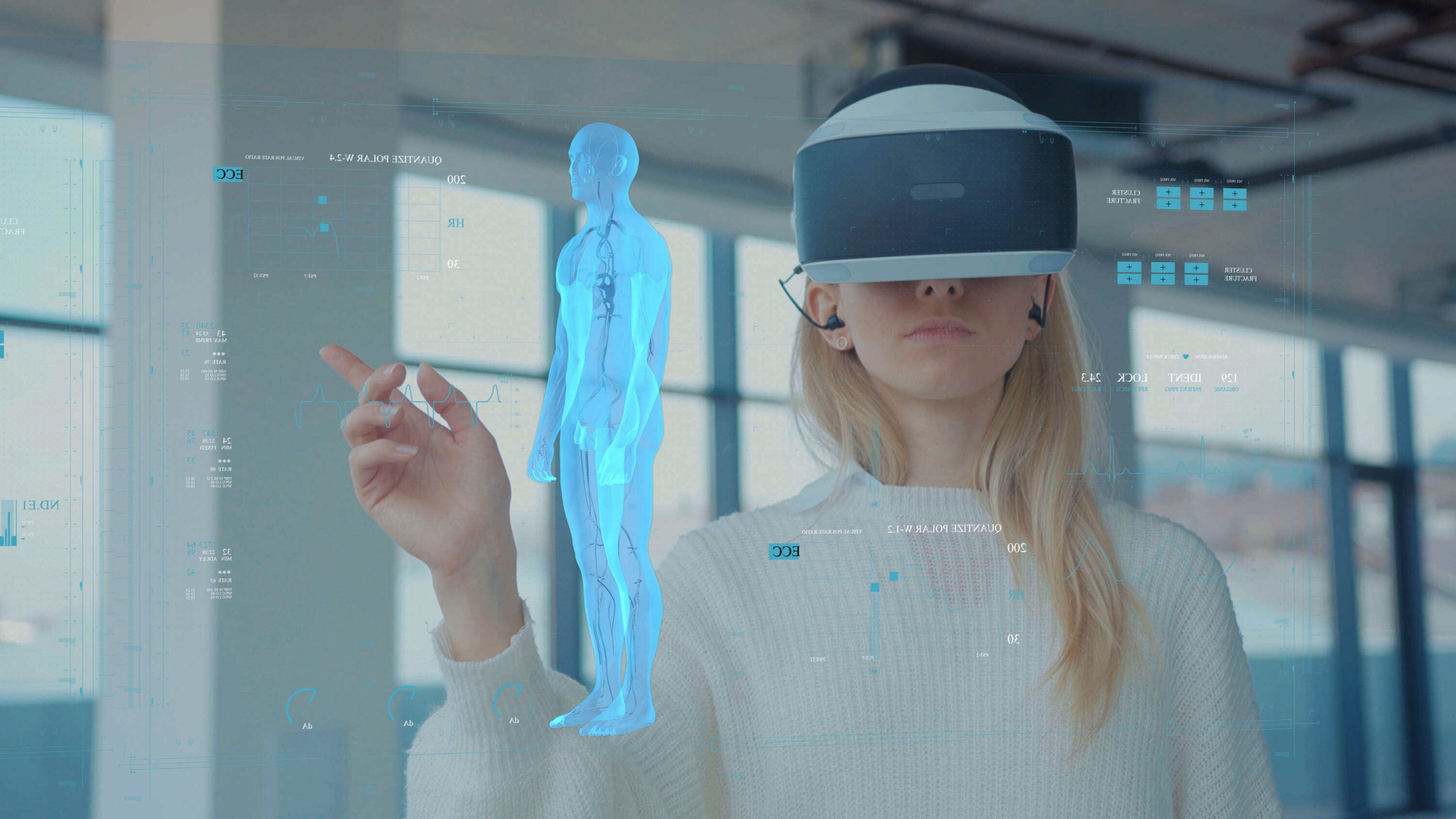
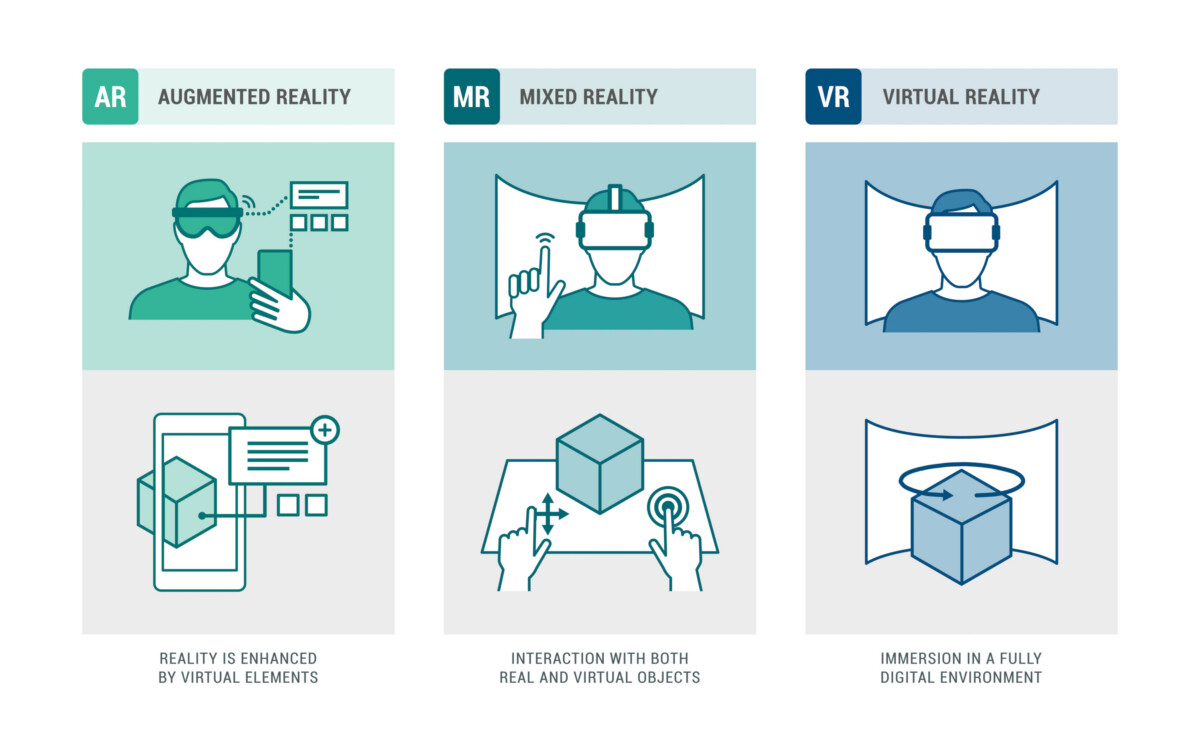
Virtual Reality (VR) is probably the best-known form of Extended Reality (XR). Using a VR headset, users are fully immersed in a digital environment. However, XR encompasses much more than VR.
Augmented Reality (AR) overlays digital information onto the real world, for example through a smartphone, tablet or smart glasses. Mixed Reality (MR) takes this a step further by allowing digital objects not only to appear in the physical environment, but also to interact with it. This creates new opportunities for education and training.
The possibilities of XR for training and education are evolving rapidly. New interaction methods, such as hand tracking, make XR applications increasingly intuitive, while user-friendly development platforms simplify the creation and adaptation of XR training content.
Practice-Oriented Use Cases
Through the XR4Health project, supported by VLAIO, we combine the expertise of healthcare organisations and technology partners. Together with healthcare professionals, we identified concrete training needs and explored how XR technology can help address them. For each use case, we assessed which type of XR technology was best suited to the learning objectives. The resulting demonstrators allow healthcare professionals to experience the technology first-hand.
The following use cases were developed:
- urinary catheter insertion;
- suprapubic catheter replacement;
- port catheter access;
- ECG acquisition;
- sensory-friendly care.
The XR technology used varies according to the training objectives. For example, the urinary catheter training uses mixed reality, allowing healthcare professionals to practise on a physical training model while step-by-step instructions and instructional videos are projected into their field of view. Other procedures, such as accessing a port catheter, take place entirely in a virtual environment. Each XR training module is designed to guide healthcare professionals through the complete procedure, from preparation and equipment selection to execution and post-procedure care.
By combining different XR technologies where they add the most value, these training modules closely reflect real clinical practice and give healthcare professionals the opportunity to safely practise procedures before performing them on patients.
Early Insights
“I had never accessed a port catheter in real life before. This training gave me a better theoretical understanding of the procedure and helps me feel more prepared to perform it myself.”
The first experiences show that XR can be a valuable addition to existing healthcare training programmes. Healthcare professionals particularly appreciate the opportunity to practise procedures repeatedly in a safe environment, without time pressure or risk to patients. This is especially valuable for procedures that are performed less frequently or where correct execution is critical to preventing complications.
Another important advantage is the flexibility of the technology. New procedures or updated clinical guidelines can be incorporated into the training modules with relative ease, allowing organisations to keep their training content aligned with evolving practice.
In addition to the positive experiences of individual healthcare professionals, there is growing interest in collaborating on the development and sharing of XR training content. This enables organisations to deploy high-quality XR training more quickly and respond effectively to the evolving training needs of the healthcare sector.
Find out what XR can do for your healthcare organisation
Training and continuous professional development remain essential in healthcare. We are happy to explore with you where XR can add value to the education, training and support of healthcare professionals.
With our expertise in the development, testing and validation of XR applications, we help organisations develop and evaluate reliable solutions that meet the needs of real-world clinical practice.