Improve the lifetime and reliability of electric transmissions
Join E-TransLife and explore how advanced lifetime prediction, optimised lubrication and health-aware control can help you develop more efficient and reliable electric transmissions for heavy-duty applications.
Challenge
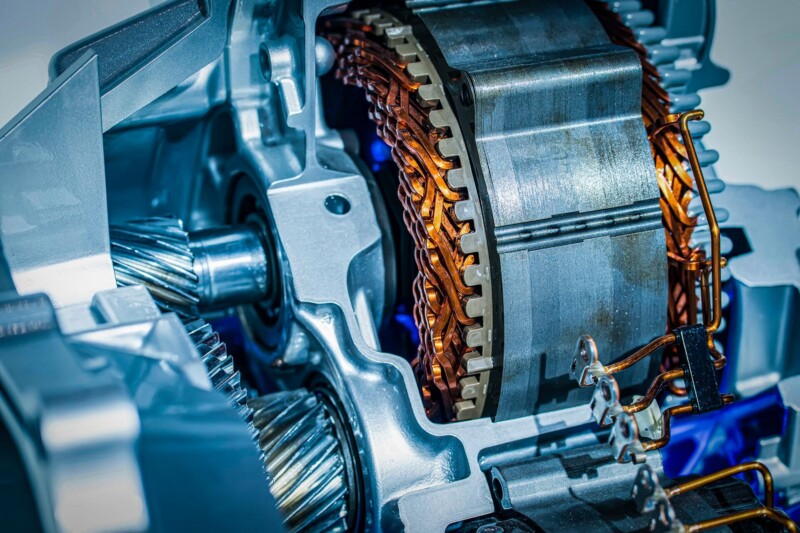
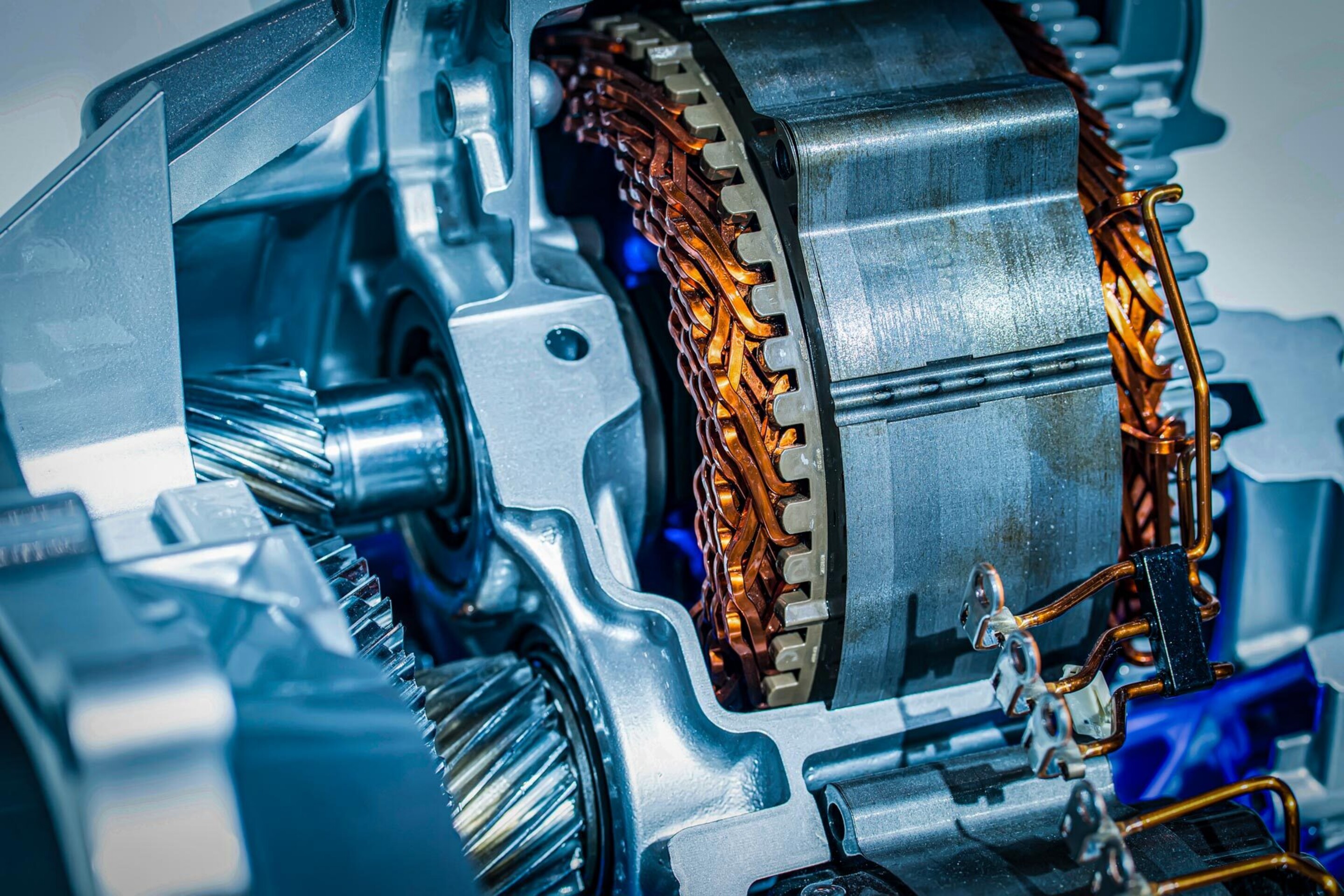
Electric transmissions for heavy-duty applications are evolving towards integrated oil systems that combine cooling, lubrication and actuation. At the same time, low-viscosity oils and higher switching frequencies in modern power electronics introduce new challenges for component reliability and lifetime prediction.
These developments affect critical components such as gears, bearings, clutches and electric motors. Insufficient lubrication film thickness, high-frequency bearing currents, oil degradation and electrical insulation ageing can lead to premature failures. However, validated methods and predictive tools to assess these effects at both component and system level are still lacking.
As a result, manufacturers face uncertainty when designing electric transmissions for long-term reliability. This can lead to costly overdesign, unexpected failures and inefficient maintenance strategies.
Project Goals
E-TransLife aims to develop a validated lifetime design methodology for electric transmissions using low-viscosity oils and high-frequency electric drives, helping manufacturers optimise reliability, efficiency and system costs.
The project focuses on three complementary developments: a lifetime design guide to support early design decisions, validated predictive models to assess component and system lifetime, and health-aware control software that monitors ageing and adapts operating conditions to reduce failure risks.
By combining these technologies, E-TransLife aims to improve lifetime prediction accuracy, reduce bearing current-related failures and optimise lubrication performance. The project also targets more reliable service intervals for critical components, helping companies move towards predictive maintenance and reduce unplanned downtime.
The ultimate ambition is to avoid unnecessary overdesign, improve system reliability and increase efficiency by approximately 5%, while reducing maintenance costs and extending component lifetime. The developed methods and tools will be validated using an industrial electric transmission research case.
Join our research
We are looking for companies that want to participate in our research and work with us on the valorisation of the project.
Interested?
Then complete the form below.