Port of Antwerp-Bruges invests in smarter and safer port operations
“By combining sensor technology, real-time monitoring, and digital models, Flanders Make helps Port of Antwerp-Bruges make port operations smarter, safer, and more manageable.”
Smart sensor, realtime monitoring and digital models
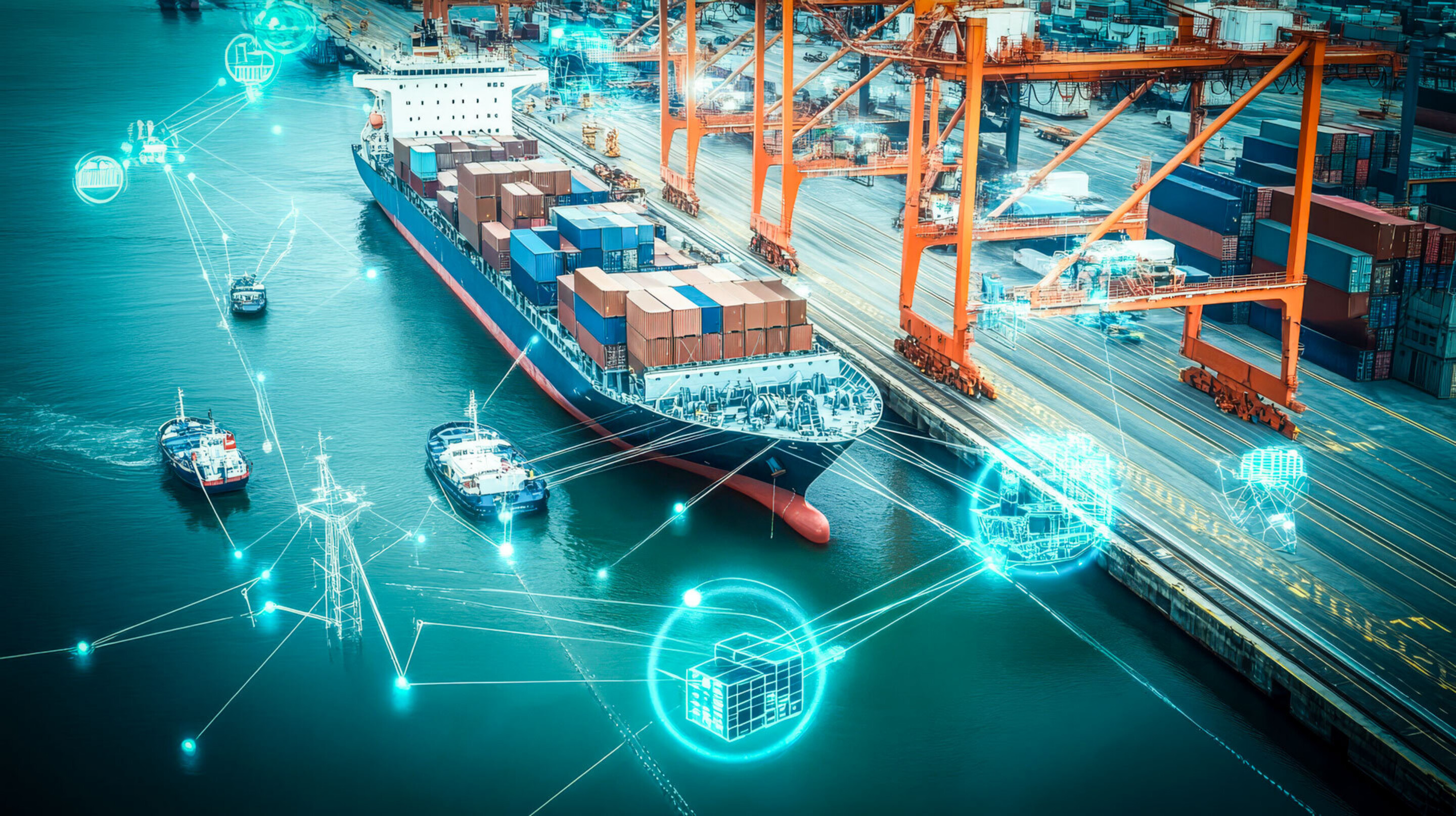
In a modern port, everything needs to run safely, efficiently, and reliably at the same time. For Port of Antwerp-Bruges, that is becoming an ever greater challenge. Ships are getting larger, traffic is increasing, and infrastructure is under growing pressure. As a result, the need is rising for technology that provides better visibility into what is happening in the port and that can detect risks more quickly. This is exactly where smart sensors, real-time monitoring, and digital models create added value.
3D sonar
Within that broader smart port story, Flanders Make@UAntwerpen contributed to technologies that help make port operations more intelligent. One example is 3D sonar for maritime applications. In the port, these sensors are used to map the environment around vessels reliably, even in conditions where traditional cameras are less effective, such as fog, splashing water, or limited visibility.
Digital Twin
A second contribution is linked to the digital twin of the port. Port of Antwerp-Bruges is building a digital copy of the port area, fed by real-time information from sensors, cameras, and other data sources. This creates an up-to-date view of what is happening in docks, locks, and mooring zones. That digital layer helps staff assess situations faster and monitor operations more effectively.
Safe, smart and future proof
For Port of Antwerp-Bruges, this collaboration delivers more than one standalone technology. By combining sensors, smart monitoring, and digital models, it creates a stronger framework for making the port safer, smarter, and more future-proof. At the same time, this case shows how Flanders Make@UAntwerpen translates research into applications that are immediately relevant in a complex operational environment: from better insight into vessel movements to smarter support for maritime monitoring and decision-making.
More about the used technologies

Robotics, sensors and actuators
Improving the core components of robotics and smart machines.

Situational and self-awareness technologies
To identify, interrogate, and evaluate both environmental conditions and system states.